Episode 59: Building a Land Real Estate Career From the Ground Up | Guests Jake Hubbell, ALC and Hallie Myhre

[music]
Welcome to the REALTORS® Land Institute Podcast, the Voice of land, the industry's leading land real estate organization.
Justin Osborn: This is Justin Osborn, ALC with the Wells Group in Durango, Colorado. On today's episode of the Voices of Land podcast, we're talking to two RLI members out of Colorado, Jake Hubbell and Hallie Myhre about lessons they learned early in the business that help them be the high earning accomplished land brokers they are today.
Jake Hubbell is a Colorado native, growing up the son of an outfitter fly fishing guide, and is an avid outdoorsman. After graduating from Western Colorado University in 2017 with a business degree, with emphasis in professional land and resource management, he started his real estate career working and supplementing his father Gary's business, and has expanded to serve his own clientele. In the past five years, Jake's facilitated over $100 million in real estate sales and is among the youngest to earn his ALC designation.
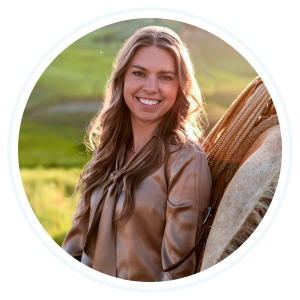
Hallie Myhre focuses on rural, recreational and resort properties as an agent with Ranch and Resort Realty. She blends a University of Wyoming background and Ag business and animal science with hands-on livestock experience and expertise in land use, marketing and photography to represent properties in a competitive market. As a young broker, she is known for her steady guidance, solution oriented mindset and commitment to building a successful real estate career, rooted in local knowledge and long-term client relationships. Welcome to the podcast.
Hallie Myhre: Thanks Justin. I'm excited to be here.
Jake Hubbell: Yeah, thank you, Justin. Pleasure and an honor to be here.
Justin Osborn: Yeah, this will be fun. All of us being in the Colorado chapter we know each other pretty well, and so I've got the luxury of kind of watching y'all's success over the past few years, but I'm excited to share it with our listeners today.
Hallie Myhre: Awesome.
Jake Hubbell: Yeah it's been really cool to kind of grow up in the Colorado RLI chapter and see Hallie start out as a young agent too.
Hallie Myhre: Yeah, I mean, this is going to be the start of my fifth year in January, and same with RLI, and it's pretty crazy. Sitting at my first RLI meeting, being surrounded by some pretty incredible people, a lot of the goals and threshold seemed kind of unrealistic. And now I'm here like getting ready to apply for my ALC and just got elected to the board and it's incredible what RLI can do for you in a short amount of time.
Justin Osborn: Well, let's talk a little bit about your education. I mean, Jake, you're one of the youngest in the country to get your ALC and Hallie, you're right on that course as well to get yours here soon. Talk to me a little bit about the education that you guys have taken to get where you're at today.
Jake Hubbell: Yeah, so education has been super important in my opinion in the real estate industry and post-college education or secondary education as you want to call it. Being involved in RLI and doing the ALC was very important to me. And as of right now, I'm "one of the younger ALCs in Colorado that has it." But as I'm getting older, I'm 29 now. I'm not as young as I used to be when I first got in the room at 21. It's cool to see some of the younger folks come get theirs and take over that title is the youngest. I think Hallie's probably going to be the youngest when she gets hers. But I'd say overall, kind of the one point talking about education in this, I think that it's really important with... I see a lot of younger people and there's kind of a local high schooler that's been interviewing me too about the land industry and how to get into it.
Jake Hubbell: And he just wants to jump straight outta high school and get right into selling real estate and whatnot. But my advice to him was, I really do think secondary higher education, if you're pursuing the right kind of degree can be very helpful in this industry. And I guess my point to it is that business with professional land and resource management degree that I had at Western Colorado University, it's tailored to be a landman for the oil and gas industry, but it was super useful. And as I got started in the business, just knowing stuff about subsurface mineral rights, water rights, environmental law, oil and gas contract law, and marketing and other stuff like that. So as far as a really well tailored degree for in dealing with land in real estate, it was a very helpful thing for me to start and actually have kind of an idea of what's going on.
Jake Hubbell: 'Cause as everybody knows, when you first get started in real estate, you don't really have any idea what's going on. And I felt that the the ALC, Accredited Land Consultant designation really pairs well with that and kind of takes things the next step. And then you get some really useful information in classes that kind of like we preach to everybody, but I would do the classes before you get the volume requirements because those classes are directly correlative to what we do day to day.
Justin Osborn: Well, and I've been doing this 24 years and it seems like every week I'm still learning something new. It's kind of crazy. Hallie, talk to me a little bit about how you stay educated with the market and the surrounding areas out in the west.
Hallie Myhre: Yeah, I think especially starting out and if you're younger, being highly educated and knowing what's going on in your market is essential because that's how you're going to prove yourself compared to the people that have been in it longer or are just getting started at a later state in life. They might be taken more seriously, have more life experience, that kind of stuff. And so from the moment I got my license, I was taking every kind of class that I could find that was either land related or not. But like Jake said, getting your real estate license really doesn't get you prepared at all. And so finding every outlet that you can to become educated on any sort of real estate topic from the get go, I think is really important. And also most likely when you are getting started, you have a lot of extra time. And so that can be the most valuable use of that time.
Hallie Myhre: So then when you are going to talk to a potential client, you're able to prove yourself in that sense and what's happening in your local market. Regionally, what kind of developments are coming in, what kind of land is used for this versus that. And so I've taken all sorts of classes from so many different places. But for land specific classes, the RLI classes are top tier and really there's that, I'm aware of nowhere else that you can find that caliber of classes. I'd say in the last year or so, I've had a lot of other agents that are wanting to get into land or just learn more about it. They're like, where do you learn about this kind of stuff? And there's certainly some good classes out there that pertain to water rights and whatnot. But I think for land classes RLI is the way to go, whether or not you're a member, it's great that the classes are open to anyone because that's your number one tool. And it is so important to be well educated on land topics, if that's what you want to do. It's definitely different than just selling houses.
Justin Osborn: Yeah, absolutely. It's so diverse whether you're dealing with water rights or mineral rights or recreational properties are so different than houses. Jake, what do you have to kind of go along with that?
Jake Hubbell: Yeah, and everything that Hallie said, I agree with. And I think that the classes and getting to know your market is really crucial. And that's kind of, the biggest thing I'd touch on too is get to know the inventory and get to know the data. Kind of like Hallie was saying, as far as, get to be that local expert or be the expert in the field or the niche that you choose that you want to be in. Whether it's, if you're selling ski homes in Steamboat, Colorado, and you want to be able to talk about the different price per foot for the different levels of luxury home that people can buy, or different locations you should know what those different ranges are, what those feet are. If you want to sell ranches and you want to sell farm ground or mountain ground. If you're not able to speak from a position of authority to clients they can tell pretty easily if you don't know your stuff as far as the data.
Jake Hubbell: So that's one thing that I've kind of had in the past where like you get started with some young realtors or whatnot, and they wanted to be in like horse properties. I was like, "okay, cool. What's the five best horse properties in the western slope of Colorado that like a buyer would look at?" and it's just crickets there's no answer to it. So it's like, "well do you know your inventory?" If you're going to be... Just like, if you're working on a car lot and you were selling pickups somebody pulls in and they want X, Y, Z, what do you know that you have on the lot? Are you going to make a sale that day? So that's kind of my additional point to that.
Justin Osborn: Yeah, I totally agree. And it's always changing. Out here in the west, in the Rocky Mountains, we will typically have a little bit of a dip in inventory during the winter months, and then it kind of starts ticking up in the spring and spikes in the summer and then starts dropping off again as we get out of fall, going back into winter. So there's that seasonal inventory that's always changing that you've got to just stay on top of. And Hallie you mentioned kind of when you're young, you have more time. And so I'd like to hear a little bit about what the two of you have been involved in. Obviously RLI, and I know you through there, but are there other organizations or networking opportunities or community involvement that the two of you have invested in that have led to some success for your business?
Hallie Myhre: Yeah. I think my broker told me when I was starting out, she said young people have time and old people have money. And so how can you leverage that as a young person and what can you do with your time to create success? And so yeah, obviously got involved in RLI from the get go, which I'm really grateful for, and I had my broker advocating for me to do so. But at the beginning, starting out there's so many opportunities and so many different ads and sales calls and how you could spend your money and spend your time, I think it can be daunting. And for me, as a new person in real estate, it was kind of like, wow, RLI is expensive. Looking back, it's really not based on all the value you get from it, but from the outside looking in, it's like, man, am I going to spend this much money to join and then this much money to attend a meeting and this much money to attend a class?
Hallie Myhre: And so finding places and things that are worth your time and money are super important, RLI being one of them for me personally. And then I've gotten pretty involved in my local association, which also went through some recent changes, but I'm the chair for our like realtor YPN that we have in Steamboat. And so that's been really beneficial to network with not only people in my immediate area, but across the state and our region. And so being involved in different realtor related groups has definitely been beneficial for me. And then also just getting involved in different community organizations and nonprofits that you care about, have interest in, I think can be really important. But for me it was daunting in a lot of ways because still to this day I'm usually the youngest person in the room, the youngest person sitting at the table. But it's been so beneficial and I think it also helps people to start see you as a professional and not just like... I mean, growing up, I live and work in the town I was born and raised in, and so trying to like get away from just being seen as like "my parents' daughter or my brother's sister," and making a name for myself and my business as an adult is really important, and I think getting involved is the way to do that.
Justin Osborn: Jake, I'm seeing the head nod here, so definitely in agreement with some of the stuff she's hitting on. Tell me a little bit more.
Jake Hubbell: Yeah, I think everything Hallie said is very pertinent to what we do on a daily basis. And it kind of comes down to I guess to simplify what my analysis of her point is like, how are you going to brand yourself and how are you going to show this is the day and age of social media and real estate and people are watching and seeing everything you do. And they may not like it, but a lot of people are going to like see your post or your story or whatever. And if you're having consistent content of doing something to progress your career and your education and being involved. People notice that you're doing it every day versus if you're just looking like you're, the travel guy or something like that. So I think it's been very important to be involved in places like RLI and local communities and getting to know the people you work with on a daily basis too. You'll never regret involving yourself with your local board or whatever too, because those are the people you do more deals with on a daily basis. And having good relationships is going to make deals go better.
Jake Hubbell: I think everybody can agree that when you have two agents that are hostile with each other, the odds of that deal going through are very low. But when you've got two agents that know each other, you've worked on deals before and you can both have a spirit of fairness for the clients and making sure it goes smoothly to move forward, and that's through your relationship building through other brokers and stuff and going to local boards, I think it's very important. And the other thing I'd say like, Hallie was talking about is you have a lot more time as a young agents and I think that's... I probably sent more mailers and postcards and social media ads and everything like that when I was a new agent getting started, 'cause you don't have any clientele. And then as you get older, you get more clients and your days are spent answering phone calls and emails, versus sitting on your butt and going twiddling your thumb going, "what am I going to do now?" But kind of like Hallie said if you're young and you're getting into the industry, you have to treat this like a full-time job. Just because you don't have a direct "boss" as you get your real estate license doesn't mean you shouldn't treat it like 9 to 5, at least, if not an 8 to 8 kind of a job.
Justin Osborn: Yeah. I was in both of your similar shoes when I got my license. I was a junior in college and I was 21 years old, I was going to school up here in Colorado, moved up from Texas, didn't know a single person. And man, it was just like getting involved in the community, Ducks Unlimited, Rocky Mountain, elk Foundation, Rotary Club. A lot of things I'm still a part of today have been a huge success for my business. But it was kind of like you said, Hallie, I had the time. I didn't know what I didn't know and had the time to get involved in these organizations and give back to the community. And all these years later you start seeing the benefit and the fruits from that kind of going back to you reap what you sow.
Hallie Myhre: Yeah, for sure. And like getting started, it's a lot easier to donate your time to something than it is to make a financial donation. So that's kind of the way I looked at it and it can really benefit your business as well.
Justin Osborn: Well, talk to me about maybe some of the hurdles that y'all have come up against going on listing appointments or buyer agent appointments where you know you're sitting down and competing against somebody that has more experience than you. How do you flip the script on that to your clients?
Jake Hubbell: Yeah, that's a good point. Some of the hurdles with going out and being a younger agent and trying to procure business, whether it's buyer agency or seller agency, it can be pretty daunting, 'cause everybody looks at you as like, how much experience do you have? And can you do this? Do you know what you're doing? The best way that I've used to flip the script in having competitive scenarios is, well if these are the other agents you're interviewing or companies or whatnot, and yes, they may have a bigger track record of getting deals done. But for me, I only have a certain amount of clients and I dedicate more time to my clients. So it's more the position of going in there and being able to talk to the clients and explain to them that you're going to have more of a one-on-one kind of position with me than some of these other companies that you might be competing with. They might have more clientele and they might get to the wayside kind of a thing. But it's something that you can kind of make that point to people.
Justin Osborn: And Hallie, how do you deal with that when you're going up against other agents that might have more experience?
Hallie Myhre: Yeah, similar to Jake. There's so many different ways you can approach a situation. And one thing I've realized, there's some people that are just not going to be comfortable with a younger person who's newer in the industry. And that's okay, those aren't the people that I'm going to spend my time trying to convince that I'm capable, I'm educated and whatnot. And so kind of letting some of that go. But then there's plenty of people that I've come across that once you are able to one, answer your phone, which I think is something that a lot of people don't do, and then start listening to what someone needs, what they're looking for, their goals, that can go a long ways. And I've had a lot of clients who, I often tell people up front, you can probably tell based on the sound of my voice, especially on a recording, I sound like I'm 16.
Hallie Myhre: But that I am younger, but that doesn't mean I'm not capable and I'm going to work hard. I'm probably going to work harder than the people that have been doing this for 15, 20 years, 'cause I need to prove myself. And I've had a lot of clients who really appreciate that, who remember what it's like when they were getting started in their business as a young person and how much harder you have to grind to get to where you want to be. And so there's a lot of people that I think appreciate working with a newer, younger agent. And so focusing your time and energy on those clients can be really beneficial. Definitely have been to some like, listing appointments where I'm just always assumed to be the assistant or the admin person. And so that can always be a little bit of a hurdle, getting the point across.
Hallie Myhre: Like actually I'm an agent, I have my own book of business and I'm here to prove to you why I am the best person to represent your property. And I've had the different scenarios where on accident people have totally turned their back to me and had a discussion without me not realizing like, I am the real estate agent. Or it can be surprising for other agents to show up to look at one of my listings and think my client is the realtor not me. And so I think having some confidence is something that I've had to essentially "fake until you make it." And like I am deserving to be here, I know what I'm doing, and just prove to myself that I can do this. And I think then that shows to different clients and other agents. Another thing that I've definitely noticed is I think it can be a positive in some negotiation with other agents. I think sometimes other agents don't take a younger, newer agent as seriously and will assume they're not on top of things. And I've definitely been in some scenarios with properties that are under contract where the other agent has not stayed on top of the dealings with the property and backed themselves into a corner and wanted to come out of the gates blaming me or saying I don't know what I'm doing, and then turn around two days later and called me crying. 'cause their buyers are backed into a corner.
Justin Osborn: I think both of you have had great mentors. I mean, there's so many people that get into this business and they're managing broker has maybe been in for 40 years and they're kind of at the point of their career where they're exiting out and they're not showing up and they're maybe not very active in the industry, and I love that. I know both of your managing brokers, both of your mentors and they're active, they're very active in the industry, they're respected in the industry, they they know water rights, they know outfitting businesses, they know recreational ranches and cow calf operations. And I love that you guys are able to absorb that and turn around and apply it to your business. 'Cause I don't think there's very many people in this industry that get that wealth of knowledge that the two of you have gotten right out of the gate.
Jake Hubbell: Yeah, I agree. I think that, that's kind of one of our points that we wanted to talk about was mentorship here and kind of to circle back as well like why should somebody use you? And so with a lot of stuff, I guess my advice to younger agents, if you're getting into the industry and something I was kind of thinking would be a good point to say is, it's so hard where the traditional real estate model is, you get licensed and then you're brand new green behind the ears and ready to hit the road and be a realtor and you just get your license hanging with a company. And then now what real estate school doesn't teach you how to get business.
Jake Hubbell: Real estate school doesn't teach you how to interact with clients. It doesn't teach you how to have a listing presentation, it doesn't teach you any of that. And my biggest thing that I've always kind of stuck behind and Hallie and I were kind of chatting earlier because I remember chatting with her managing broker before she had Hallie jump on and get licensed and join the industry. But the biggest thing for me and in my opinion was success for a young agent is going to have be having good mentorship and having somebody that you can fill the gaps in their business. Like my dad is really good with getting a ton of phone calls every day, getting different appointments set, the volume of calls he gets there's lots of food and lots of crumbs on the table, but where can you catch the crumbs from falling off the table is kind of how I put it.
Jake Hubbell: And so like where can you fill in with somebody's business, keep appointments scheduled, work with the scheduling and timing, what can you do to supplement them? Me starting out, the biggest thing I could do is start with like, "all right, how can I progress us in the industry to make us more competitive and, and win more listings?" And that was through getting started with drone photography, getting better with our interior photography and everything else. Learning stuff about video editing and social media and other marketing aspects. Stuff that somebody in their shoes doesn't have the time to to do. So I guess my advice kind of like you said is the mentorship. As a new agent, it's really hard to get started and just go out there and be 21 years old or even if you're getting started at 35 or 60 it's "alright, you're brand new in real estate, what do you know? You don't know anything." So I think in my opinion working with a mentor, somebody that is willing to take on the responsibility of mentoring you and investing into you with business at some point it's going to turn around for them too and you'll pay them back and do a lot of co-lists and that kinda stuff.
Justin Osborn: Hallie, what's your thoughts on having a great mentor?
Hallie Myhre: Yeah, I agree with Jake that I think my advice is the number one thing you can do is find a solid mentor. And it's pretty cool to learn from someone who's in the specific niche that you want to be working in, and for us that's land. And so I'm really grateful to have a broker who sells a lot of land and ranch properties in my area. And it's pretty cool to sit in a class and realize that I've actually learned a lot of this stuff already from my broker. 'Cause I think it's just so difficult to get started and have no one that's guiding you. 'Cause like we've mentioned a few times, you're not really learning those necessary components that you need to have a successful real estate career by just getting your license. And starting out if you can do some co-listing and start getting some deals under your belt, that's so beneficial rather than spending your first year trying to find business. And if you don't have a single deal going on, you're not really getting any experience. So I think that's super beneficial.
Hallie Myhre: And then the other component of having a mentor that I find really beneficial and makes a huge difference is just the credibility that having that mentor gives me. I've told people I think using me as a listing agent is almost more beneficial than using my mentor because she's not going to let me screw up if I have any sort of question, I'm going to her. So essentially you have me as your listing agent who has time and energy and you have all of her knowledge and expertise behind me. And so it's kind of the best of both worlds. And so having a mentor, I really think is the number one way to build success early on in your career.
Justin Osborn: Folks, if you want to get connected with the top people in the land business like Jake and Hallie and get formal education to competently work with buyers and sellers, take advantage of the RLI network and its member benefits. You get out what you put in. So take the time to get to know other RLI members and let them get to know you. That could be through in-person events at an RLI chapter or the National Land Conference or by taking a land U-course. The more you get involved, the more you're going to reap the rewards of belonging. You can visit RLIland.com if you want to see what networking and learning opportunities are coming up at RLI. Jake and Hallie, anything else here as we're wrapping up that you kinda want to throw out for nuggets of information for our listeners?
Jake Hubbell: Yeah. Kind of the other, something I wanted to kind of touch on was as a young agent getting started, I kind of make the illusion a pretty bad one, but it's like a bite of a piece of pie is better than trying to steal the whole pie and getting caught or not getting it. So if you can be involved in a deal. And that's the cool thing about RLI is if you looked at my book of business right now, between all the ranches that we have listed and properties, probably half of those are co-listed with other members of RLI in different areas. I know that you and me, Justin and my dad, we have that ranch in Moroni, Utah co-listed. I have a ranch down in Westcliff with Jared Meyer co-listed, then I've got another ranch up in Somerset, Colorado co-listed with John Adams.
Jake Hubbell: Between three, four different properties in my book of business they're all co-listed with other RLI members of different companies. It's a great network and it's something that like Hallie said, the best thing to do and how do you spend your time and money? Well, as a young agent getting to know people and telling them, and doing the networking to where people, 'cause people want to work with who they like. And if you can go network with people at RLI that you can make good relationships with and show them like, Hey, I don't really care what you pay me at the end of the day, I just want to like be involved and get the experience and somehow add value to this this transaction, and you guys figure out what you want to pay me at the end for whatever I contribute, go for it.
Jake Hubbell: And I think at the end of the day, people kind of sometimes put their commission or their their compensation ahead of the experience that they could possibly get outta transactions. So I guess that's a little snippet I would include to young agencies. Focus on more of the education experience and what you can learn and surrounding yourself with other good brokers and what you want to do and then try to be involved in those deals and don't have your ego ahead of you because trust me, you don't have shit for an ego. But a lot of these other folks, they have a lot of experience and the best thing you can do is just learn from them. And if you get paid, cool. But at the end of the day it's great to network and this goes nationwide too.
Jake Hubbell: It's great to network with everybody with RLI 'cause you get some really cool relationships with guys that you know everywhere in the country. And I had a client that called me the other day. He's like, Hey, I'm looking to trade in a ranch, one of my properties here in Montrose and I want to trade it for this place up. It's like southeast of north Platte, Nebraska. So I called one of my buddies Kobe Rickson with Iron Horse Company and I was like, "Hey, this is not making us any money, whatever, but can you give me a BPO on that property? Is my guy making a good decision?" Neither of us are making any money. But that client I probably bought and sold 10 different properties with him and he's a great client. We're not making anything on this deal, but it's just good to be a service to your clients.
Justin Osborn: Yeah, the network of the RLI agents around the country can definitely make you look good. And I'm a firm believer of what you said Jake, your analogy was a piece of the pie and mine folks have heard me say this in some of the classes I teach that I'd rather have 50% of something than 100% of nothing. And so I'm a big fan of co-listing with other competent RLI agents. Hallie, what about for you? Anything else you want to throw out here for the listeners as we're wrapping up?
Hallie Myhre: Yeah, I mean, to add on to what Jake was talking about the networking that you can gain from RLI is invaluable and there's definitely a lot to be learned in the marketing sessions and education classes, but I think I've probably gained the most from hanging out after class and going to dinner and chatting at breakfast. And I'm always at, ready to go to dinner with whoever's around and get to know someone new. And I think that can be really where you find the most value in RLI is just really getting to know everyone on the level outside of just passing them in class. And so I've gained so much, I've gotten referrals every year I've been a part of RLI that have more than made it worth it to be a member. But really just those connections and being able to call someone and ask a question or if you're not familiar with an area have someone that does know and work that area that you can refer people to is so valuable and I think just makes you seem more credible in your business and to your clients. So yeah, definitely agree with all of those points.
Jake Hubbell: And I would...
Justin Osborn: Jake and Hallie, thank you for joining us today to share the lessons you learned starting out in land. If one of our listeners wanted to get in touch with you directly, what's the best way for them to do that?
Hallie Myhre: Yeah. My phone number is 970-846-1687. The good thing about me hating the sound of my voice on a recording is I don't let it go to voicemail. So I'll always answer my phone or send a text. And then email's also always a great way to reach me, which is Hallie@Ranch&Resort Realty, and then I'm also on social media, so that's another way you can find me.
Jake Hubbell: Yeah, and if you guys want to get ahold of me, I guess the easiest route is just go to aspenranchrealestate.com and you can go to the contact us button and click and you can see my phone number and my email. But my phone number's 970-250-9396 if you want to give me a call or Jake@uccoloradobrokers.com if you want to shoot me an email.
Justin Osborn: Excellent. Thank you for that. For more expertise on land real estate topics, be sure to check out the RLI blog, follow us on social media, and of course, tune in for upcoming episodes of the Voices of Land Podcast.
[music]